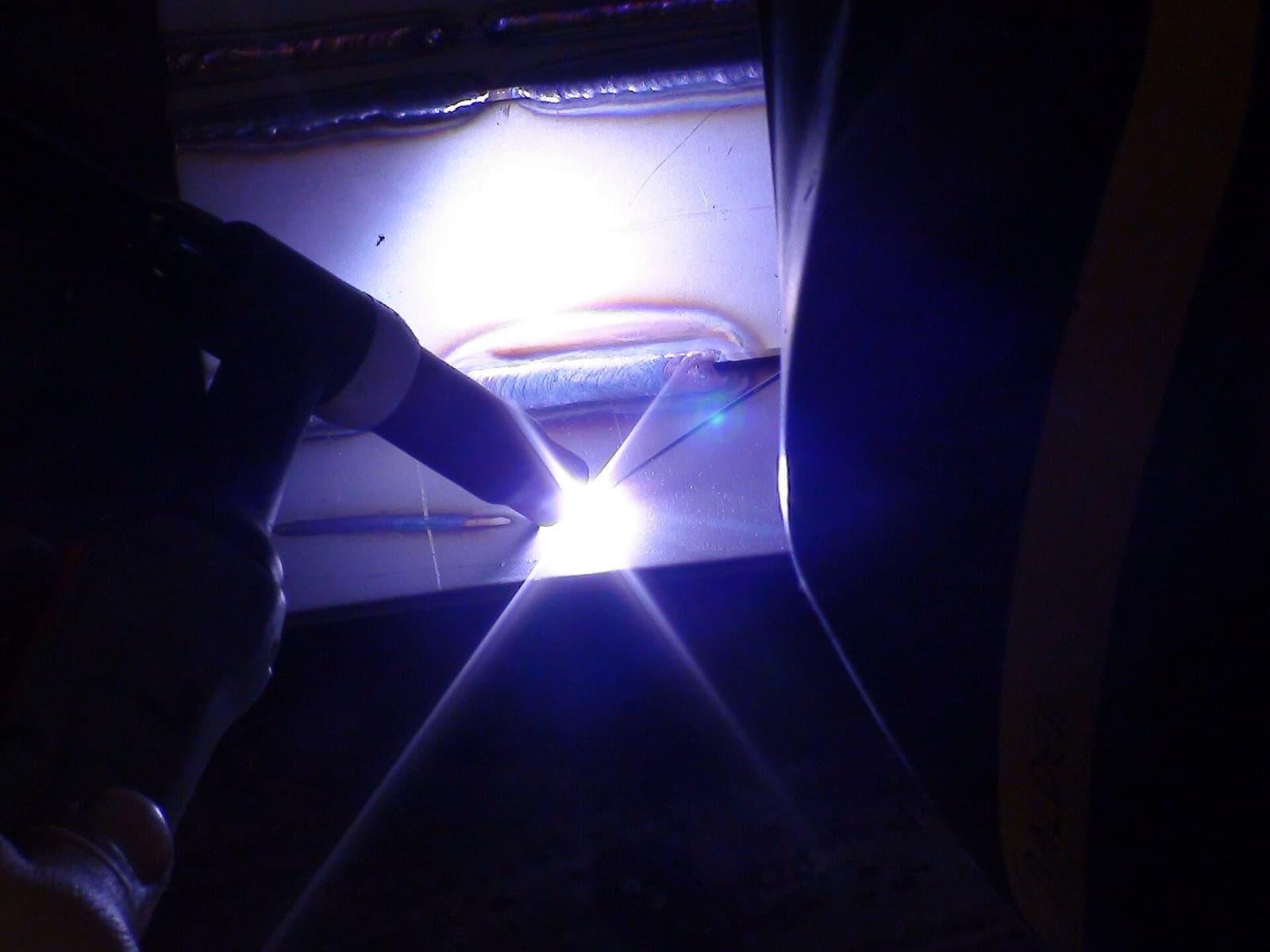

Stainless is not stainless because it is immortal. It is stainless because a chromium-oxide film keeps rebuilding itself — until a carbon-steel brush, a bleach splash or a weld heat-tint stops it. The old merchant warranty line (“industry standard quality assurance”) was never a substitute for that chemistry.
Welding 304 and 316 stainless is the procedure essay, with AS/NZS 1554.6 as the Australian welding reference rather than a YouTube setting. Tea staining on stainless steel is the coastal complaint ASSDA has already written up. Passivation after stainless fabrication is what should happen after the tint comes off. Cleaning stainless steel without chloride damage is the kitchen and plant version of the same story.
Sometimes the right answer is not stainless. Stainless versus galvanised versus aluminium is for the builder who inherited three quotes and one coastal postcode. The historic site sold those sister metals too; we keep the comparison and leave the till behind.